
Resep Sehat untuk Kesehatan Prostat Optimal
Panduan lengkap nutrisi dan manajemen prostat melalui makanan bergizi dan gaya hidup sehat
Mengapa Kesehatan Prostat Penting
Kesehatan Jangka Panjang
Menjaga kesehatan prostat sejak dini membantu mencegah berbagai masalah kesehatan di masa depan dan meningkatkan kualitas hidup Anda secara keseluruhan.
Nutrisi Alami
Makanan-makanan alami yang kaya akan antioksidan dan mineral esensial terbukti mendukung kesehatan prostat dan fungsi reproduksi pria.
Gaya Hidup Aktif
Kombinasi nutrisi seimbang dengan aktivitas fisik teratur menciptakan dasar yang kuat untuk kesehatan prostat yang optimal dan berkelanjutan.
Memahami Kesehatan Prostat Anda
Apa yang Perlu Anda Ketahui
Prostat adalah kelenjar kecil yang memainkan peran penting dalam sistem reproduksi pria. Menjaga kesehatan prostat memerlukan pemahaman mendalam tentang nutrisi, gaya hidup, dan faktor-faktor yang mempengaruhi fungsinya.
Masalah prostat sering kali dapat dicegah atau dikelola melalui pilihan makanan yang tepat dan kebiasaan hidup sehat. Mineral seperti zinc dan selenium, serta antioksidan yang ditemukan dalam berbagai makanan alami, memiliki peran signifikan dalam mempertahankan fungsi prostat yang optimal.
Kami menyediakan panduan komprehensif yang menggabungkan penelitian ilmiah terkini dengan praktik-praktik tradisional terbukti untuk membantu Anda memahami dan merawat kesehatan prostat dengan lebih baik.
Resep Makanan Sehat Pilihan
Kumpulan resep lezat yang dirancang khusus untuk mendukung kesehatan prostat dengan bahan-bahan alami bergizi tinggi
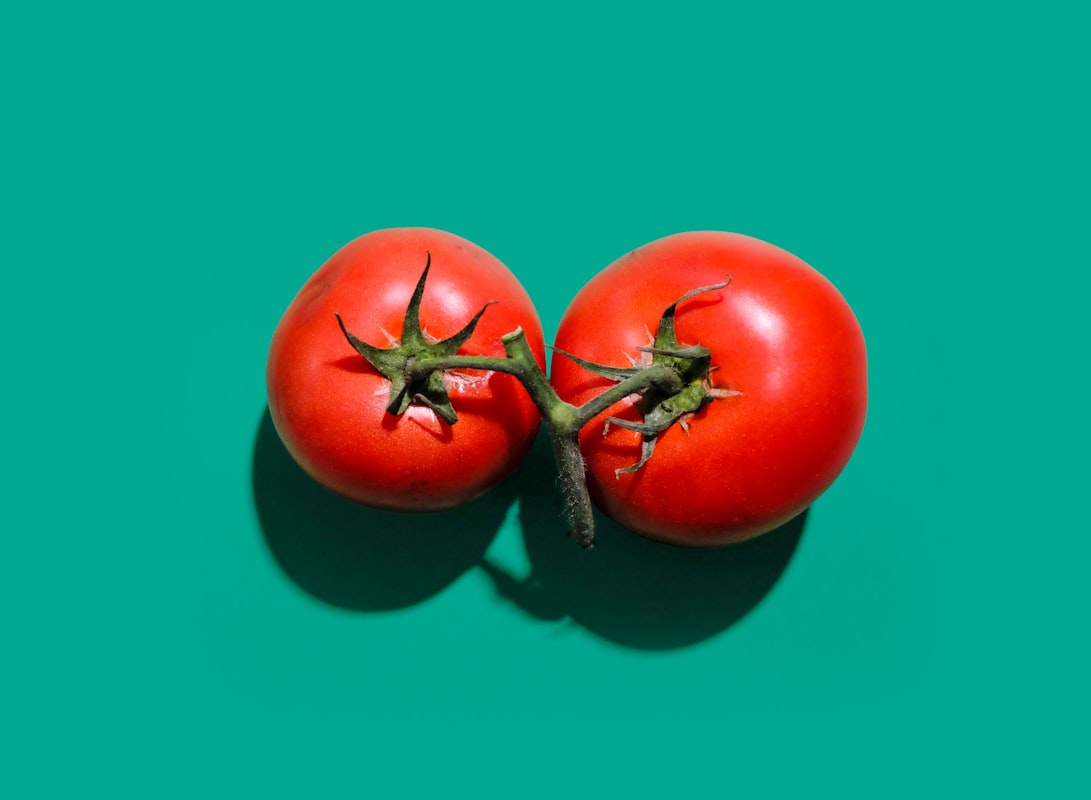
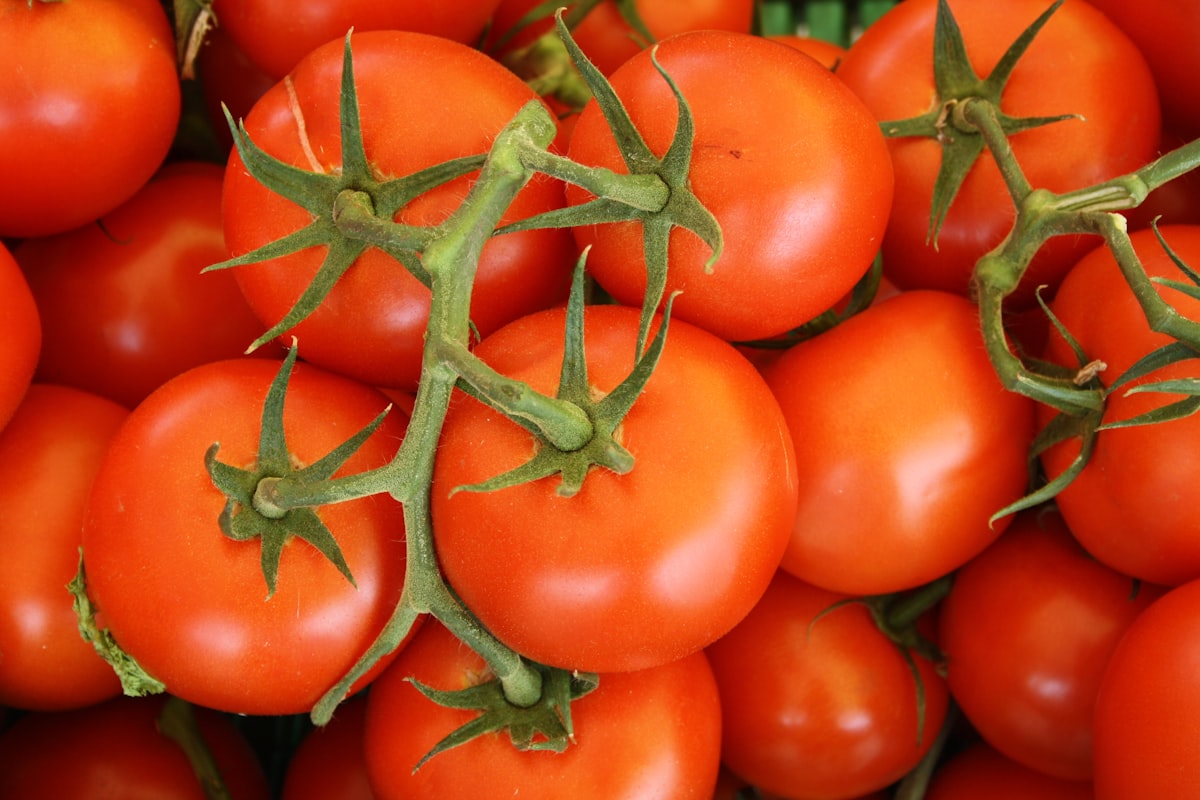
Salad Tomat dan Biji Labu
Kombinasi sempurna antioksidan lycopene dari tomat dan zinc dari biji labu. Resep sederhana yang dapat disiapkan dalam hitungan menit untuk menu makan siang sehat.
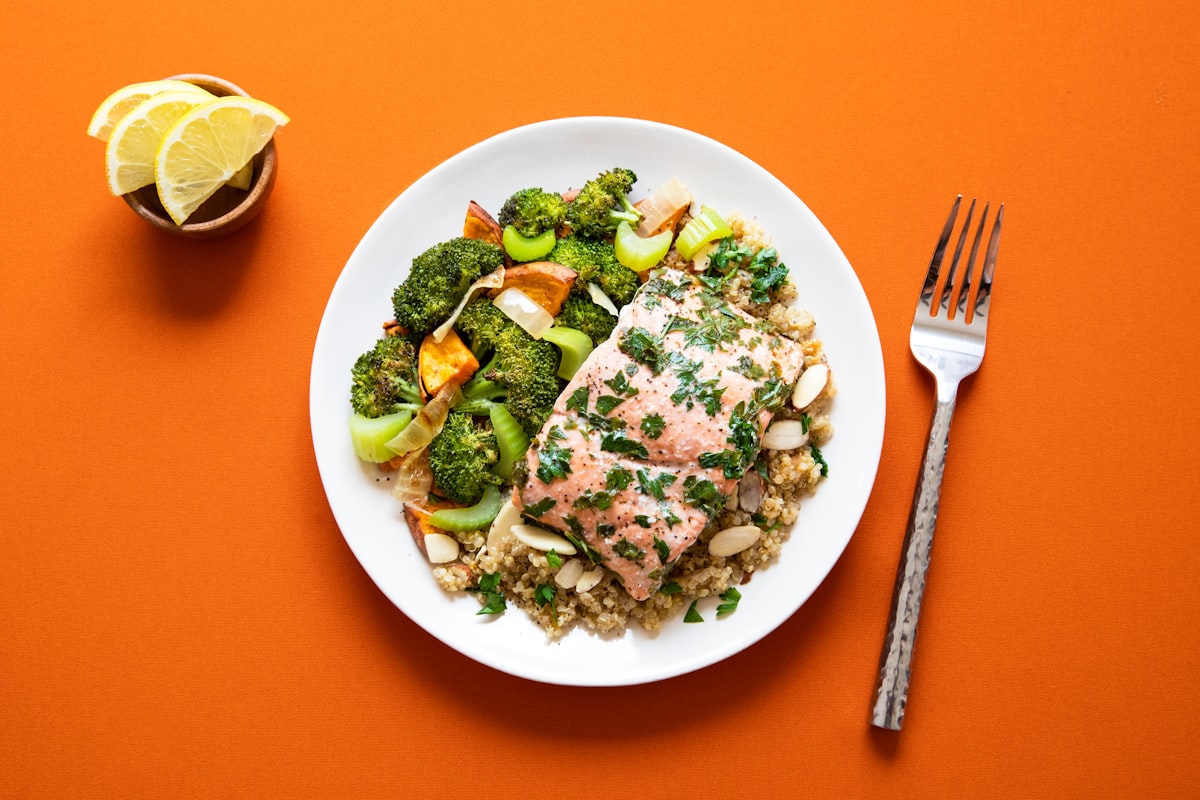
Ikan Salmon Panggang dengan Brokoli
Salmon kaya akan omega-3 dan selenium yang mendukung kesehatan prostat. Dikombinasikan dengan brokoli yang penuh antioksidan untuk manfaat maksimal.
Jus Buah Antioksidan
Minuman segar dengan perpaduan buah-buahan kaya antioksidan seperti blueberry, pomegranate, dan jeruk. Sempurna sebagai bagian dari rutinitas kesehatan harian Anda.
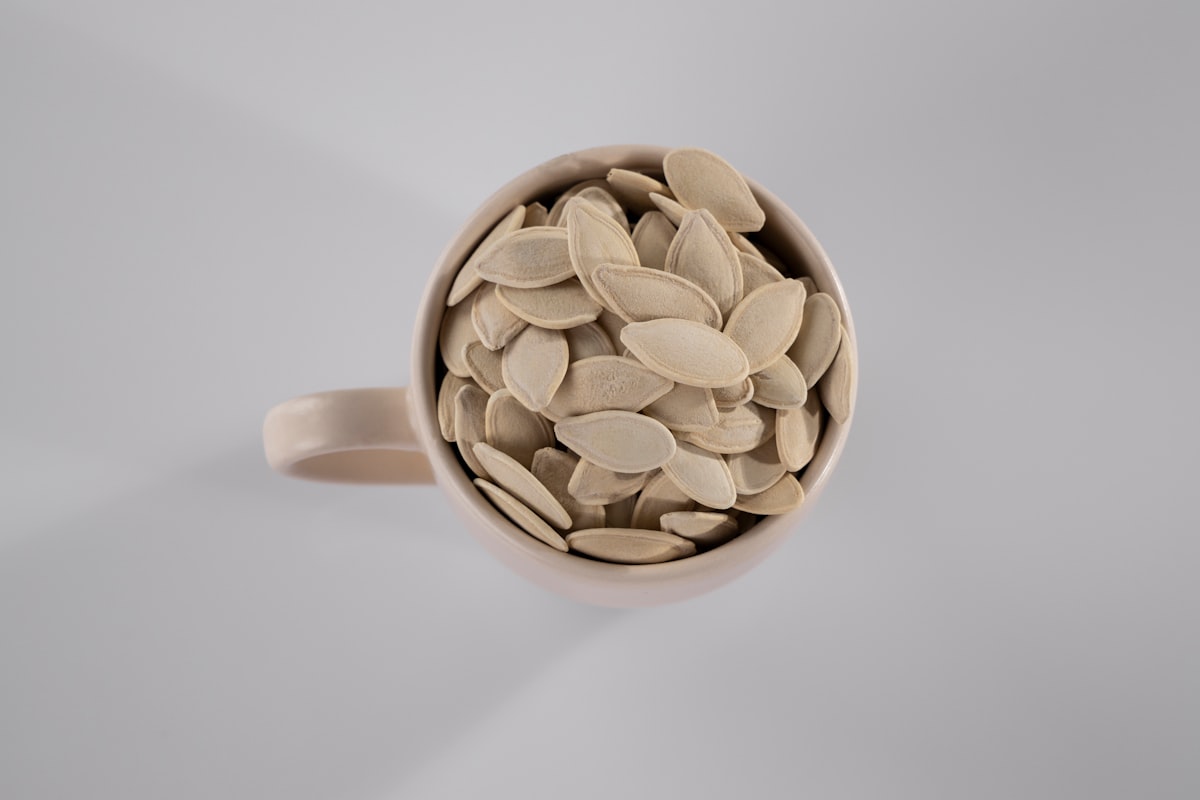
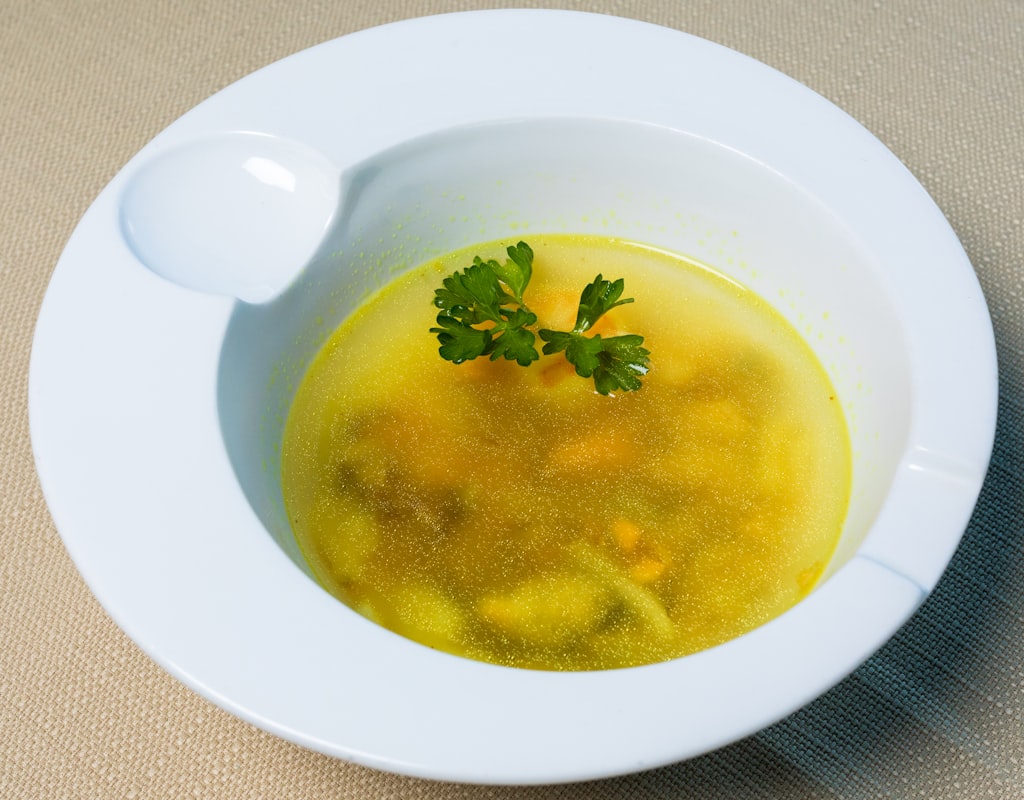
Sup Biji Timun dan Sayuran
Sup hangat yang mengandung biji timun bergizi dan berbagai sayuran segar. Ideal untuk musim dingin atau sebagai hidangan pembuka yang menyegarkan.
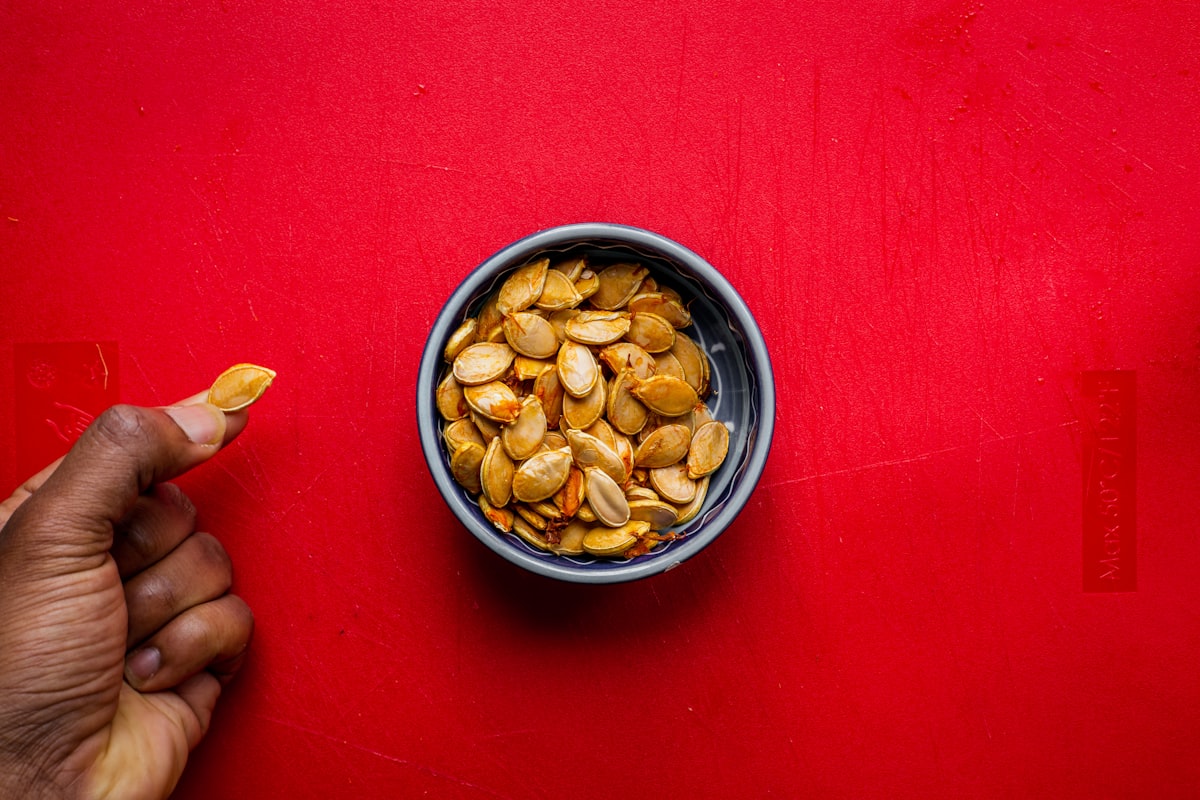
Kacang Almond dan Kurma
Camilan bergizi yang menggabungkan almond penuh vitamin E dengan kurma kaya mineral. Sempurna sebagai snack sehat di siang hari atau sebagai penggerak energi.

Teh Hijau dengan Madu Organik
Minuman tradisional yang kaya antioksidan dari teh hijau, diperkaya dengan madu organik. Dapat dinikmati pagi atau sore untuk meningkatkan asupan nutrisi harian.
5 Langkah Manajemen Prostat yang Efektif
Pilih Makanan Kaya Zinc dan Selenium
Zinc dan selenium adalah mineral esensial yang mendukung kesehatan prostat. Konsumsi makanan seperti tiram, daging merah tanpa lemak, biji-bijian, dan ikan untuk memenuhi kebutuhan mineral harian Anda. Mineral-mineral ini berperan dalam menjaga fungsi normal kelenjar prostat dan sistem imun.
Tingkatkan Asupan Antioksidan
Antioksidan membantu melindungi sel prostat dari kerusakan oksidatif. Konsumsi buah-buahan dan sayuran berwarna cerah seperti tomat, blueberry, pomegranate, dan paprika merah. Lycopene dari tomat telah terbukti dalam berbagai penelitian memberikan manfaat khusus untuk kesehatan prostat.
Batasi Lemak Jenuh dan Makanan Berlebihan
Pola makan tinggi lemak jenuh dan kalori berlebihan dapat mempengaruhi kesehatan prostat. Kurangi konsumsi daging merah berlemak, produk susu full-fat, dan makanan olahan. Pilih alternatif lebih sehat seperti daging putih, produk susu rendah lemak, dan makanan utuh alami.
Tetap Terhidrasi dengan Air Putih
Hidrasi yang cukup sangat penting untuk kesehatan prostat dan fungsi sistem kemih. Minumlah setidaknya 2 liter air putih setiap hari untuk membantu detoksifikasi dan menjaga keseimbangan cairan tubuh. Air putih juga membantu mengurangi risiko infeksi saluran kemih.
Lakukan Aktivitas Fisik Secara Teratur
Olahraga teratur membantu menjaga kesehatan prostat dan sistem kardiovaskular secara keseluruhan. Lakukanlah aktivitas fisik moderat seperti berjalan kaki, berenang, atau bersepeda setidaknya 150 menit per minggu. Aktivitas fisik juga membantu menjaga berat badan ideal yang mendukung kesehatan prostat.
Pertanyaan Umum tentang Kesehatan Prostat
Kisah Sukses dari Pembaca Kami
Panduan resep sehat ini benar-benar mengubah cara saya melihat nutrisi. Setelah mengikuti rekomendasi selama tiga bulan, saya merasa lebih energik dan sehat. Resep-resepnya sangat mudah diikuti dan rasanya lezat, tidak terasa seperti sedang diet sama sekali.
Budi Hartono
Jakarta
Saya menghargai pendekatan ilmiah dalam setiap panduan yang diberikan. Semua rekomendasi didukung oleh penelitian, tidak hanya omong kosong. Saya jadi lebih memahami mengapa makanan tertentu baik untuk prostat, dan ini memotivasi saya untuk terus konsisten.
Rudi Prabowo
Surabaya
Resep-resep ini tidak hanya sehat tetapi juga sangat praktis untuk kesibukan kerja saya. Banyak pilihan yang bisa disiapkan dalam 15-30 menit. Saya sudah merekomendasikan platform ini ke teman-teman dan keluarga saya.
Ahmad Wijaya
Bandung
Mulai Perjalanan Kesehatan Prostat Anda Hari Ini
Jelajahi koleksi lengkap resep sehat, panduan nutrisi, dan tips gaya hidup yang dirancang khusus untuk mendukung kesehatan prostat optimal Anda.