Inventory first
Note open packets, cooked leftovers and produce that needs attention. Put these at the beginning of the plan.
Plan enough to reduce daily friction, but not so much that one unexpected evening makes the whole plan feel unusable.
A practical plan does not require seven fully different dinners. Choose three anchor meals you are genuinely interested in cooking. Identify overlapping ingredients and prepare one or two components that can move between them.
Then leave intentional open spaces for leftovers, a fast pantry meal or a change of plans. The aim is to reduce repeated decisions while keeping the week responsive to appetite, schedule and ingredient freshness.
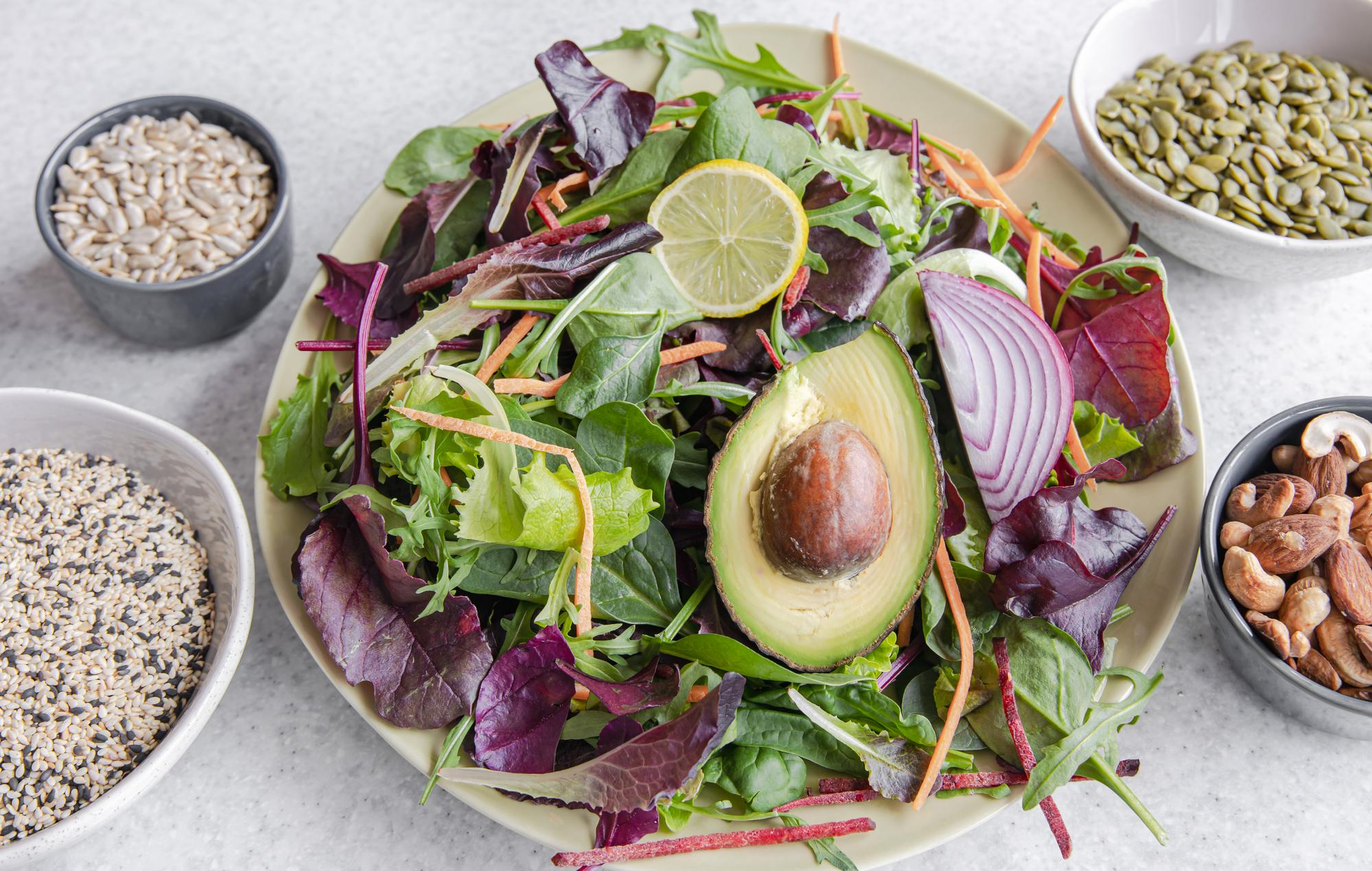
This sample uses brown rice, roasted squash, washed greens and a calamansi-herb dressing as reusable components. Portions should be adjusted for your household and dietary needs.
| Day | Meal idea | Preparation logic | Fresh finish |
|---|---|---|---|
| Monday | Roasted squash, chicken and brown rice bowl | Cook extra rice and roast a double tray of squash. | Calamansi-herb dressing and cucumber |
| Tuesday | Ginger fish with greens | Use washed greens and refresh rice in the pan. | Tomato and spring onion relish |
| Wednesday | Chickpea vegetable wraps | Mash chickpeas with leftover roasted squash. | Crisp cabbage and lime |
| Thursday | Garlic vegetable fried rice | Use chilled rice, remaining vegetables and an egg or tofu. | Fresh herbs and toasted seeds |
| Friday | Flexible pantry dinner | Choose noodles, soup or a simple omelette based on the week. | Any remaining tender produce |
| Weekend | Shared market-inspired meal | Cook one slower dish and replenish useful components. | Seasonal fruit or salad |
A five-minute fridge, freezer and pantry check prevents duplicate purchases and reveals ingredients that should shape the week.
Note open packets, cooked leftovers and produce that needs attention. Put these at the beginning of the plan.
Organise the list into produce, proteins, chilled items and pantry goods for a faster, more focused shop.
Select ingredients that work in at least two dishes, but vary the cooking method or seasoning to avoid repetition.
Plan delicate leaves, herbs, seafood and ripe fruit early; keep sturdy vegetables and pantry meals for later.
Keep frequently used tools near the task they support and make ingredients easy to see. Organisation should reduce movement and forgotten food, not create a display that is difficult to maintain.
Place opened foods, ripe produce and planned ingredients together at eye level.
Keep boards and knives near preparation, oils and utensils near the stove, and containers near the packing area.
Clear surfaces, wash the essential tools and check tomorrow’s first step before leaving the kitchen.
Start grains, heat the oven, wash produce and mix one versatile dressing.
Roast sturdy vegetables, prepare a protein and portion snack vegetables.
Cool cooked items, dry washed greens and label containers with intended use.
Reset the kitchen and write one visible note for Monday’s first meal.
A roasted tray and a fresh noodle bowl can use the same vegetables while still feeling entirely different.
Explore practical programmes for complete beginners, busy home cooks and confident cooks who want a stronger foundation in balanced everyday meals.